
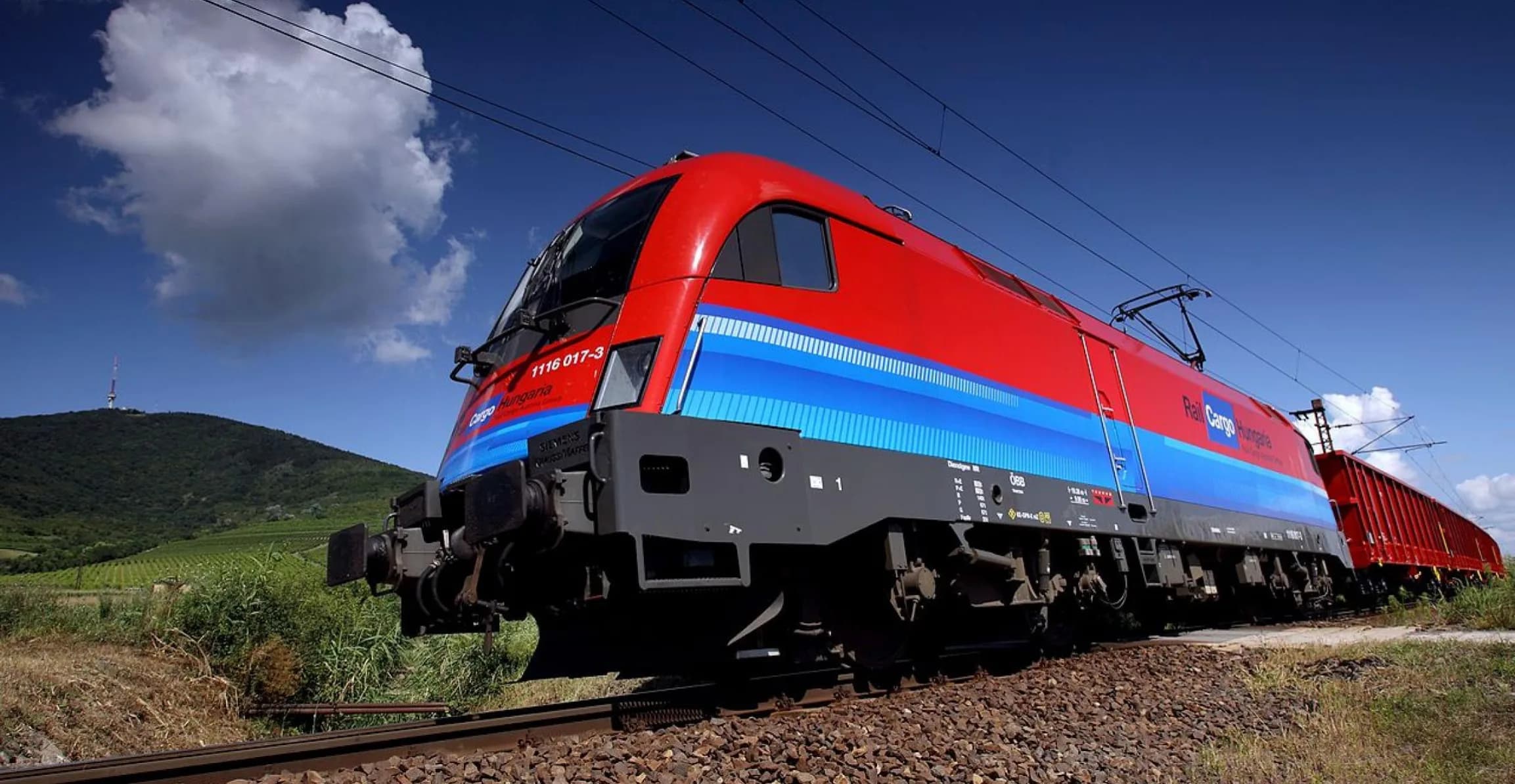
Related case study · Railcargo
One system from shipment to invoice: a custom, ERP-like application for the road freight business on the JUDO low-code platform
Data Governance
We build a data management framework that clarifies where your data comes from, its quality, how it is used and who is responsible for it.

01 /
We map what data is available, where it originates and which processes use it. Identifying shared definitions and data sources helps avoid conflicting interpretations.
02 /
We define data quality rules and assign the related responsibilities. Handling discrepancies can become an organised process and can strengthen the foundation for reports, analytics and AI solutions.
03 /
We align access rights and compliance requirements with how the data is used. Clear rules support data sharing and risk management across the company.

Our approach
We shape the Data Governance framework together with business users and IT. We start with the most important data and problems so that the rules work in day-to-day operations. We introduce the ownership model, quality requirements and control processes together.
Working together
We review the main data sources, how data is used and current quality issues. We select the first data domain to address and the business areas involved.
We agree on data definitions, quality requirements and access rules. We define who is responsible for the data and for handling discrepancies.
We apply the framework to the selected data and processes. We check how usable the rules are and how data quality issues are handled.
We evaluate the experience and refine the operating model. We gradually extend proven practices to further data domains.
Related case study · Railcargo